People now feel like they own and have a part of those services rather than something being parachuted in
Himmah
Neighbourhood working is better for our citizens:
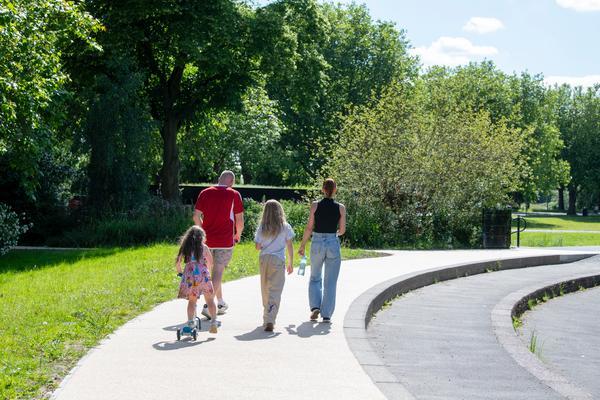
- Better access: When services are based in neighbourhoods, it is easier for people to use them. This helps remove barriers like travel costs and mobility issues.
- Earlier help: When support is closer to home, people are more likely to ask for help sooner. This can lead to earlier diagnosis and prevent problems getting worse.
- Reaching more people: Organisations saw higher take‑up of services in communities that are often harder to reach.
- Building confidence: Neighbourhood working helps people feel valued, listened to and more confident.
- Greater involvement: When people feel involved, they are more likely to take an active role in their own health.
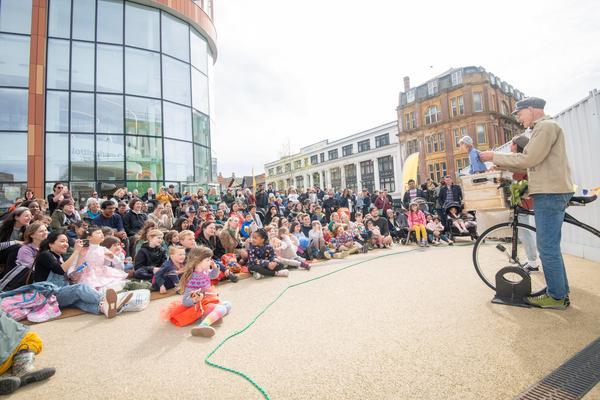
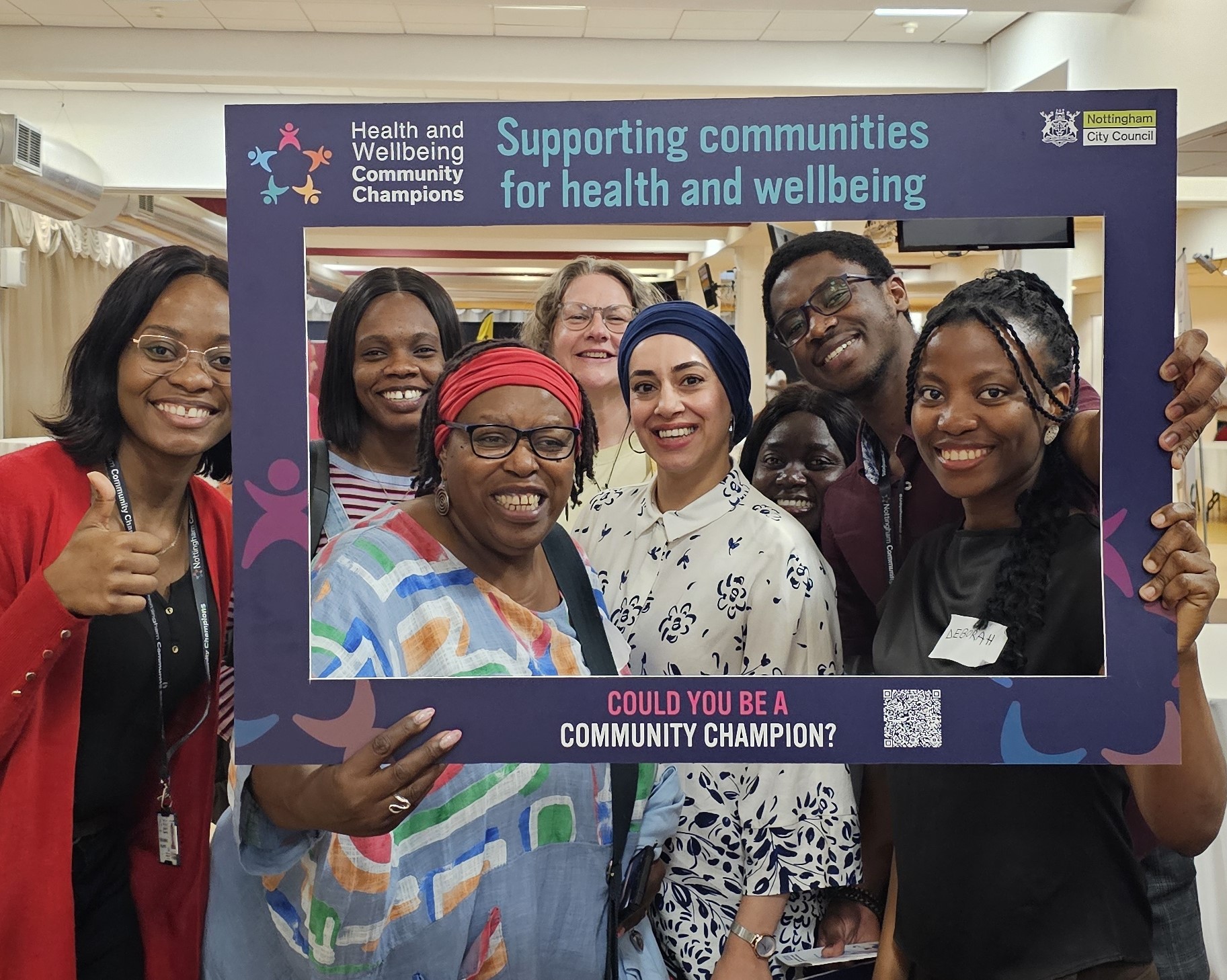
- Stronger connections: By strengthening local relationships and support networks, neighbourhood working can reduce loneliness and isolation. Diversify Education is a strong example of how working with local partners can bring communities together. CASE STUDY: Click here to read more about Diversify Education.
Better for our neighbourhoods:
- Building skills and confidence: Neighbourhood working gives people chances to learn new skills, volunteer and get involved locally. This helps communities become stronger and more able to support themselves.
- Trusted, joined‑up support: Working closely with local partners and people with lived experience helps build trust. When services listen and work with communities, support becomes more relevant, joined‑up and focused on the whole person.
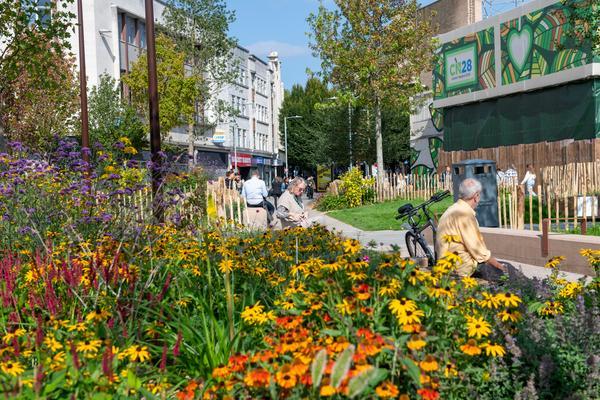
- Safe places to connect: Neighbourhood working creates safe, welcoming spaces where people can meet, connect and support each other.
- Supporting the local economy: Neighbourhood working helps people gain skills, supports local jobs and contributes to economic growth in local areas.
Better for those who are trying to help:
- Working together: Neighbourhood working encourages organisations to work closely with each other.
- Better local responses: This helps partners share knowledge and respond more effectively to local needs.
- Less pressure on services: By sharing resources and avoiding duplication, organisations can reduce pressure on individual services and make better use of what is available.
- Clearer support for communities: Joined‑up working makes it easier for people to see what support is available and how to access it.
- Stronger partnerships in difficult times: Trusted local partnerships proved especially valuable during COVID‑19. Neighbourhood working helped organisations support each other, adapt quickly and manage challenges together.
By leveraging long-standing relationships with trusted community partners, we are able to reach individuals in settings where they feel comfortable and receptive.
Nottingham Muslim Women’s Network
Neighbourhood working is better for our whole system:
- Easier routes to support: Neighbourhood working makes referrals and signposting clearer, helping people get the right support more quickly.
- Better local knowledge: Staff have a clearer picture of what services are available nearby, which improves coordination and decision‑making.
- Stronger joined‑up care: Working together improves relationships between GP, community and hospital services, leading to smoother care for patients.
- Less pressure on hospitals: Earlier support, diagnosis and prevention reduce demand on both GP and hospital services and help lower overall costs.
- A more efficient system: Evidence shows that neighbourhood‑based approaches reduce pressure on public services and help the whole system work better. 1, 2
The neighbourhood model reduced the burden on already overstretched primary care
Scarred Liver Project
1 NHS England Neighbourhood health guidelines 2025/26: https://www.england.nhs.uk/long-read/neighbourhood-health-guidelines-2025-26/
2 Improving health and care in Greater Manchester. Greater Manchester Integrated Care Partnership: https://gmintegratedcare.org.uk/greatermanchester-icp/icp-strategy/improving-health-and-care-in-greater-manchester