Nottingham Muslim Women’s Network was founded to challenge barriers and amplify the voices of women who were too often silenced. Drawing on more than two decades of lived experience, the organisation emerged from a clear need for culturally sensitive support for South Asian women – particularly around domestic abuse, forced marriage and honour-based violence.
Co-production is embedded throughout the model: volunteers progress into paid roles, with one member beginning as a volunteer in 2017 and now leading the organisation.
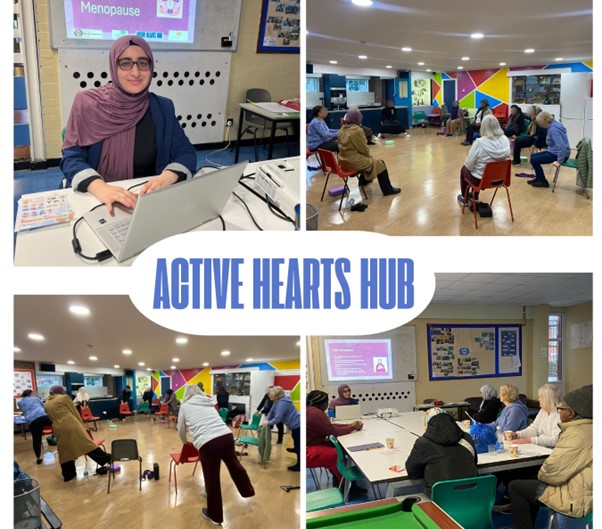
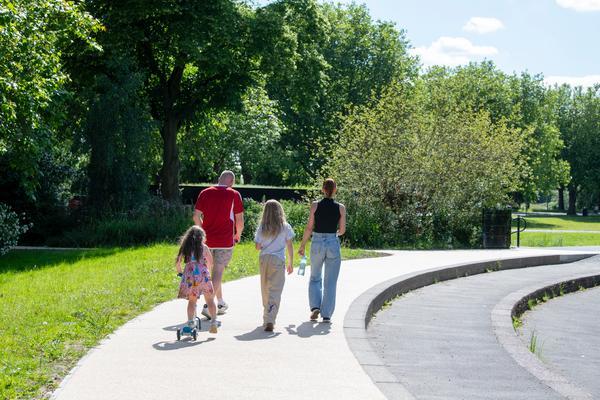
The network has delivered a wide range of neighbourhood projects that connect directly with community priorities. Local accessibility and culturally safe spaces remove barriers and encourage participation. Activities including cycling, swimming and football have now engaged over 2,000 women and girls, with walking groups operating in Sneinton and St Ann’s.
To further encourage participation, the network’s sessions are intentionally held in places with high community footfall
This way women regularly see other women taking part. For example, cycling sessions at the Forest Recreation Ground provide natural visibility and easy access, helping to normalise participation and break long‑standing stereotypes.
The network is due to launch a new initiative, developed directly from community identified need. The Medical English Course, backed with Public Health funding, is designed to:
- Improve access to health services, enabling women to communicate more confidently when navigating appointments
- Increase autonomy and empowerment, supporting women to take a more active role in managing their own health and making informed decisions
- Provide a tailored, culturally informed intervention that responds to needs identified within a specific community, demonstrating the network’s commitment to a neighbourhood‑based and co‑produced approach to identifying both the issue and the solution.
- The network’s long-term vision is a city-wide Women’s Health Hub, designed as a sustainable network of community rooted activities rather than a single building. This future model relies on continued collaboration, neighbourhood engagement, and investment to ensure all women can access support “that speaks to their lived experience”.
Read more about the work of Nottingham Muslum Women‘s Network here