Al-Hurraya works closely with local neighbourhoods by building on community strengths, understanding different cultures, and creating trusted relationships within Nottingham’s diverse communities. The organisation first focused on supporting young Muslim people, but has since expanded to support young people more widely across Clifton, Aspley, Hyson Green and Bilborough. Taking a neighbourhood‑based approach has helped Al-Hurraya build stronger trust and better partnerships.
The organisation has a culturally diverse staff team, many of whom have lived experience of the communities they work with. This helps them connect with young people in an honest and meaningful way. Early on, the team faced challenges when working in areas with different ethnic backgrounds and age groups. Instead of pulling back, they adapted how they worked and stayed committed to building relationships.
Trust was built by being consistently present in the neighbourhood, engaging with young people in a non‑judgemental way, and communicating in ways that felt culturally appropriate. The team also worked closely with trusted local people and places, such as shops, libraries and community centres. Regular check‑ins and sharing information helped keep these relationships strong and open.
As one manager explained, having real connections with people in the community is essential
A key part of Al-Hurraya’s work is street‑based youth work at Harvey Hadden Sports Village. The main focus is to talk with young people, listen to them, and support them to make positive choices. The aim is to help young people move away from harmful behaviour, improve their chances in life, and address factors that affect their health and wellbeing.
By being visibly present during higher‑risk early evening hours, the team engages with groups involved in low‑level antisocial behaviour. They use simple, low‑pressure activities to create safer spaces, encourage healthier behaviour, and reduce intimidation for other people using the sports facilities.
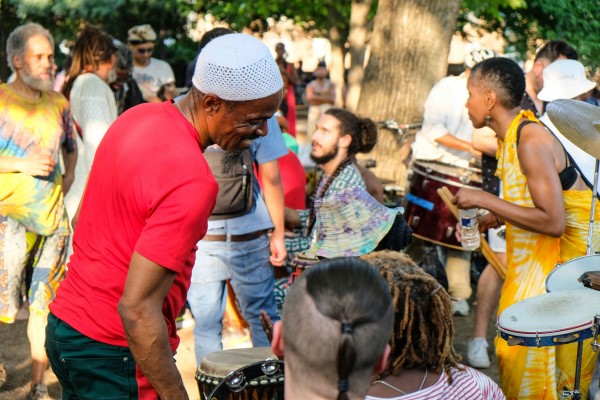
Activities are chosen because they connect with young people’s interests and shared cultures. These include things like table tennis, basketball, music and DJ equipment, and chess. The team also makes a point of recognising young people positively, giving genuine and meaningful compliments about skills, style or supportive behaviour towards others. This helps young people feel seen and respected, which reduces defensiveness and builds trust.
The team working at Harvey Hadden meets weekly with sports centre staff to share updates. They track repeated locations and times where antisocial behaviour happens and identify young people who may be at higher risk of harm or criminal involvement. Through this approach, they were able to build a strong relationship with a high‑risk young person, identify gaps in support, improve safeguarding, and support better wellbeing.
Find out more about the work of Al-Hurraya here